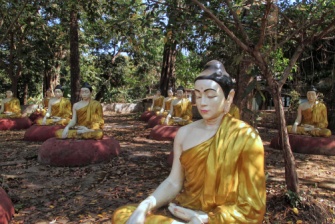
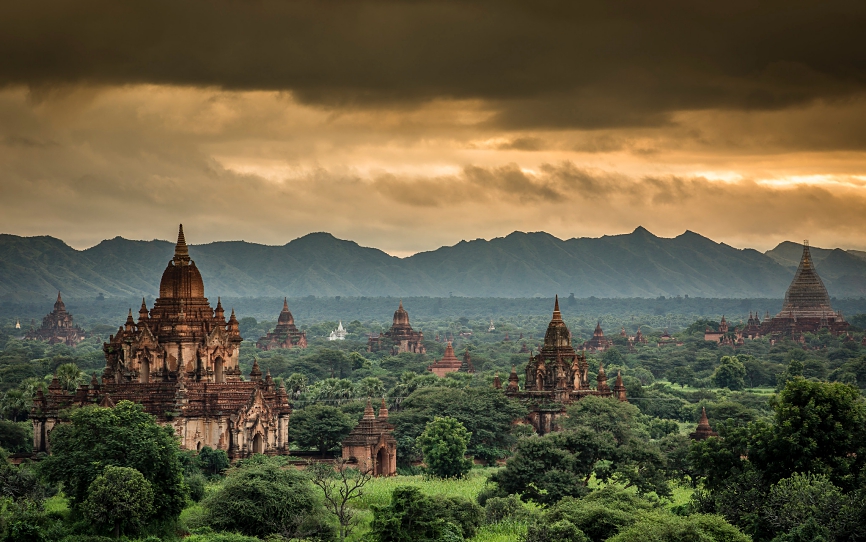
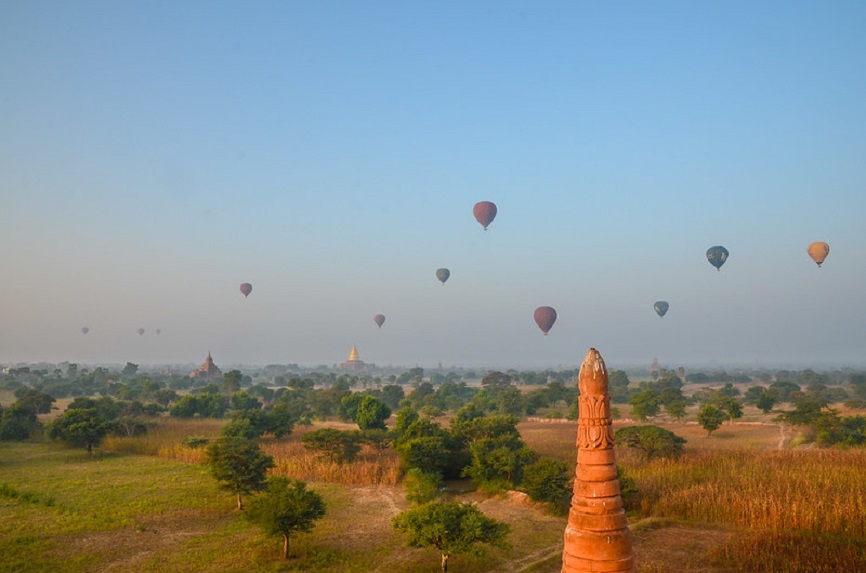
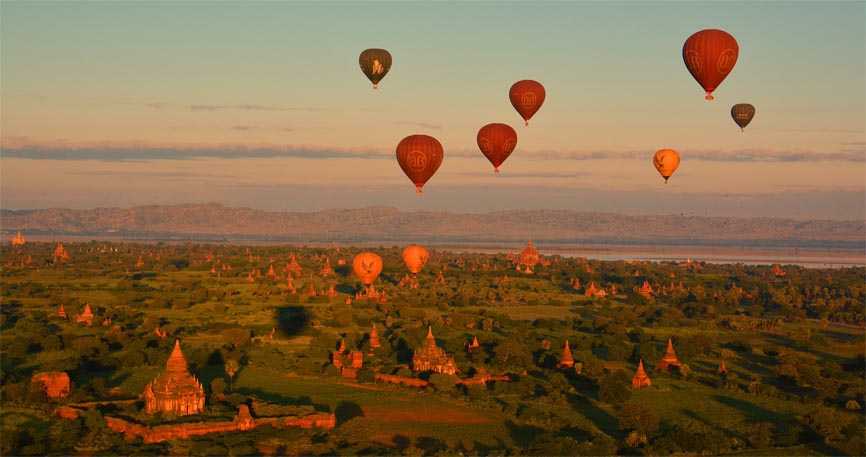
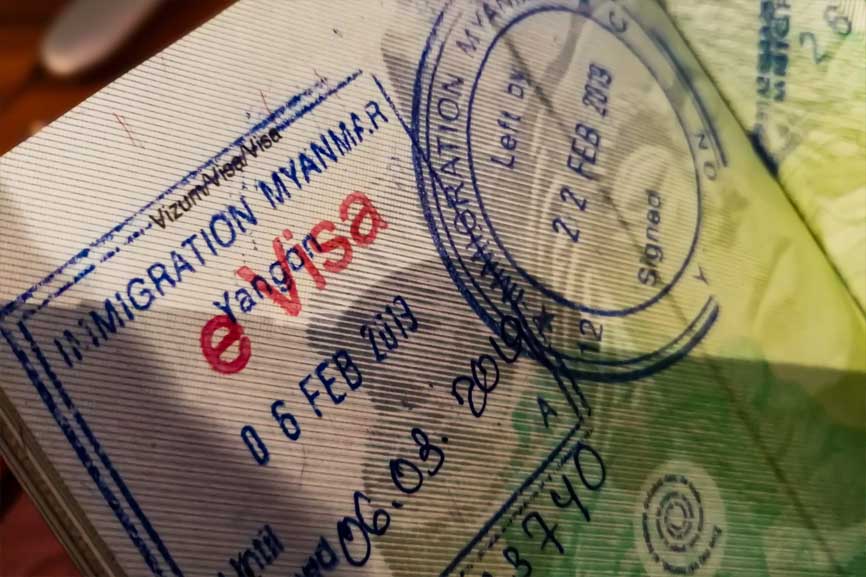
Wide range of Myanmar Tour Packages designed to showcase not only the highlights of the country but also the uniqueness of each area.
  Hotel collection for all destinations in Myanmar from big cities like Yangon to the new tourist spot like Mergui and as far as Putao
Vietnam Travel Guide
Vietnam has dramatically evolved from a nation primarily associated with rural landscapes to a multifaceted travel destination. No longer solely defined by rice paddies and traditional imagery, it now captivates visitors with stunning natural wonders, pristine beaches, and diverse ecological reserves.
This Southeast Asian powerhouse boasts a growing list of UNESCO World Heritage sites, including the iconic Halong Bay, the charming Hoi An Old Town, and the awe-inspiring Phong Nha – Ke Bang National Park.
Vietnamese cuisine has achieved global recognition, with dishes like banh mi and pho now firmly established in international culinary scenes.
This impressive transformation represents just the beginning of Vietnam's journey as a premier travel destination, offering a wealth of experiences for every type of traveler.
This Southeast Asian powerhouse boasts a growing list of UNESCO World Heritage sites, including the iconic Halong Bay, the charming Hoi An Old Town, and the awe-inspiring Phong Nha – Ke Bang National Park.
Vietnamese cuisine has achieved global recognition, with dishes like banh mi and pho now firmly established in international culinary scenes.
This impressive transformation represents just the beginning of Vietnam's journey as a premier travel destination, offering a wealth of experiences for every type of traveler.
Is Vietnam a safe destination?
Vietnam has been one of the safest countries to visit. Local people are very friendly, especially in the remote areas.There is no history of terrorism or civil unrest.
Foreign travelers can explore almost every part of the country.
Why I should visit Vietnam?
There are many reasons why Vietnam has become a very attractive destination in 2025:- Vietnam visa policy has been very open. Visitors from Europe, Australia, and many other countries can enjoy the visa-waive program for up to 45 days visit.
- There are more direct flights from all over the world to Vietnam.
- Improved infrastructure, including better transportation links and increased flight options, makes it easier than ever to travel within Vietnam.
- The country is continuously enhancing its tourism offerings, with new hotels, resorts, and attractions constantly emerging.
- Travel experiences you can soak up range beautifully from River Cruise to mountain adventure, city hopping to friendly local homestay.

Best time to visit Vietnam
Vietnam's considerable north-south length (nearly 1650km) results in significant variations in weather patterns across the country. The optimal travel time depends heavily on your specific destinations and personal preferences.Most visitors should aim to avoid the stormy seasons, particularly in Northern and Central Vietnam, where heavy rains can cause flash floods, landslides, and road closures. While the southern storm season (June-November) can be disruptive, it generally poses less risk to travelers.
- For the best experience in North Vietnam (Hanoi, Sapa, Ha Giang, Halong Bay), consider traveling during the shoulder seasons of September-November or March-April. These months offer pleasant, cool, and dry weather with fewer domestic tourists. August and September are particularly ideal for visiting Sapa, as it's harvest season, and the hillsides are adorned with vibrant blooms.
- Central Vietnam (Hoi An, Nha Trang, Hue, Danang) is best enjoyed from April to August. This period minimizes the risk of storms and floods, allowing you to make the most of the region's stunning beaches with abundant sunshine.
- South Vietnam (Ho Chi Minh City, Mekong Delta, Phu Quoc) is most rewarding from October to April. The prior months of rain ensure the Mekong Delta's waterways are full, providing optimal conditions for boat trips through this intricate network of rivers and channels.
How long should I spend in Vietnam?
Experiencing the entirety of Vietnam requires significant time, likely a month of travel. Recognizing this is impractical for most visitors, a two-week itinerary can effectively cover many of the country's most popular destinations.Starting from either Hanoi or Ho Chi Minh City (HCMC), you can embark on a journey that encompasses the length of Vietnam, offering a diverse range of sights, tastes, and experiences. Key highlights include iconic destinations like Sapa and Halong Bay, culturally rich cities such as Hoi An and Hue, and captivating river regions like Can Tho and the sprawling Mekong Delta.
For those seeking a tropical escape, Con Dao Island offers a paradise-like experience. For shorter trips, focusing on a single area or city such as Hanoi, Ho Chi Minh City, or Phu Quoc provides a satisfying glimpse into Vietnam's unique attractions, even within a timeframe of three to four days.

Credit: Ethan Hu
Things to do in Vietnam
Vietnam offers an endless array of thrilling experiences. While a comprehensive list is impossible, first-time visitors should prioritize a few must-do activities.Cruise Ha Long Bay
Why it’s special: Ha Long Bay, a UNESCO World Heritage Site, is famous for its emerald waters and thousands of limestone karsts rising dramatically from the sea. A cruise through this natural wonder is a must-do experience.What to do: Opt for an overnight cruise to enjoy stunning sunsets and sunrises, kayak through hidden caves, and visit floating fishing villages. Luxury and budget options are available to suit all travelers.
Explore the Ancient Town of Hoi An
Why it’s special: Hoi An is a beautifully preserved ancient town with a mix of Vietnamese, Chinese, and Japanese architecture. Its lantern-lit streets and riverside charm make it one of Vietnam’s most romantic destinations.What to do: Wander through the narrow streets, visit the Japanese Covered Bridge, shop for tailor-made clothing, and enjoy a boat ride on the Thu Bon River. Don’t miss the monthly Lantern Festival, where the town glows with colorful lights.
3. Trek in Sapa
Why it’s special: Located in northern Vietnam, Sapa is known for its terraced rice fields, ethnic minority villages, and stunning mountain landscapes. It’s a paradise for nature lovers and adventure seekers.What to do: Trek through the rice terraces, visit local villages like Cat Cat or Ta Phin, and interact with the H’mong and Dao ethnic communities. For a unique experience, stay in a homestay to immerse yourself in local culture.
4. Discover the Bustling Streets of Hanoi
Why it’s special: Vietnam’s capital, Hanoi, is a city of contrasts, where ancient temples and colonial architecture meet modern cafes and vibrant street life.What to do: Visit the Old Quarter, explore the Ho Chi Minh Mausoleum, and enjoy a traditional water puppet show. Don’t forget to try Hanoi’s famous street food, like pho (noodle soup) and banh mi (Vietnamese sandwich).
5. Ride the Hai Van Pass
Why it’s special: The Hai Van Pass, located between Hue and Da Nang, is one of the most scenic coastal roads in the world. It offers breathtaking views of the ocean, mountains, and lush greenery.What to do: Rent a motorbike or join a guided tour to experience the thrill of riding along this iconic route. Stop at viewpoints for photos and visit Lang Co Beach along the way.
6. Explore the Mekong Delta
Why it’s special: Known as Vietnam’s “rice bowl,” the Mekong Delta is a vast network of rivers, swamps, and islands. It’s a place to experience the slow-paced rural life and lush landscapes.What to do: Take a boat tour through the floating markets, visit fruit orchards, and sample local delicacies like coconut candy and fresh tropical fruits. Can Tho and Ben Tre are popular starting points for exploring the delta.

7. Visit the Imperial City of Hue
Why it’s special: Hue, the former imperial capital of Vietnam, is steeped in history and culture. Its ancient citadel and royal tombs are a testament to the country’s rich past.What to do: Explore the Imperial Citadel, visit the Thien Mu Pagoda, and take a boat ride along the Perfume River. Don’t miss the chance to try Hue’s unique cuisine, such as bun bo Hue (spicy beef noodle soup).
8. Relax on Phu Quoc Island
Why it’s special: Phu Quoc, Vietnam’s largest island, is known for its pristine beaches, crystal-clear waters, and lush national parks. It’s the perfect destination for relaxation and adventure. What to do: Swim and sunbathe on Long Beach, snorkel or dive to explore coral reefs, and visit Phu Quoc National Park. The island is also famous for its fish sauce and pepper farms.9. Experience the Cu Chi Tunnels
Why it’s special: The Cu Chi Tunnels, located near Ho Chi Minh City, are an extensive network of underground tunnels used during the Vietnam War. They offer a fascinating glimpse into the country’s history.What to do: Take a guided tour to learn about the tunnels’ history, crawl through sections of the tunnels, and see booby traps and bunkers. It’s a humbling and educational experience.
10. Taste Vietnam’s Street Food
Why it’s special: Vietnamese cuisine is renowned worldwide for its fresh ingredients, bold flavors, and diversity. Street food is an integral part of the culture and a must-try for any traveler.What to try: Sample dishes like pho (noodle soup), banh xeo (savory pancakes), goi cuon (spring rolls), and ca phe sua da (Vietnamese iced coffee). Each region has its own specialties, so be sure to explore local markets and food stalls.
11. Visit the Sand Dunes of Mui Ne
Why it’s special: Mui Ne, a coastal town in southern Vietnam, is famous for its red and white sand dunes, which offer a surreal desert-like landscape. What to do: Go sandboarding, take a jeep tour of the dunes, and visit the Fairy Stream, a small canyon with colorful rock formations. Mui Ne is also a popular spot for kite surfing and windsurfing.12. Discover the Caves of Phong Nha-Ke Bang National Park
Why it’s special: This UNESCO World Heritage Site is home to some of the largest and most spectacular caves in the world, including Son Doong, the world’s largest cave.What to do: Explore caves like Phong Nha, Paradise Cave, and Dark Cave. Adventurous travelers can join multi-day expeditions to Son Doong or Hang En Cave. The park also offers hiking, zip-lining, and kayaking opportunities.
13. Experience the Vibrant Energy of Ho Chi Minh City
Why it’s special: Ho Chi Minh City (Saigon) is Vietnam’s largest city and a hub of energy, history, and modernity. It’s a city that never sleeps, with something for everyone.What to do: Visit the War Remnants Museum, explore the Notre-Dame Cathedral Basilica of Saigon, and shop at Ben Thanh Market. The city’s nightlife and rooftop bars are also worth experiencing.
14. Attend a Traditional Water Puppet Show
Why it’s special: Water puppetry is a unique Vietnamese art form that dates back to the 11th century. It’s a fun and cultural way to learn about Vietnamese folklore and traditions.Where to go: The best shows are in Hanoi at the Thang Long Water Puppet Theatre, but you can also find performances in Ho Chi Minh City and Hoi An.
15. Cycle Through the Countryside
Why it’s special: Vietnam’s countryside is incredibly picturesque, with rice paddies, small villages, and winding rivers. Cycling is a great way to explore at a slower pace and connect with local life. Where to go: Popular cycling routes include the Mekong Delta, the countryside around Hoi An, and the rural areas near Ninh Binh.Vietnam Trip Budget
Off Beaten Track Destinations
Cao Bang, where the majestic Ban Gioc Waterfall cascades along the border with China.Mu Cang Chai, celebrated for its mesmerizing terraced rice fields and rural charm.
Quy Nhon, a serene coastal town offering pristine beaches and a peaceful escape.
Kon Tum, a gateway to the Central Highlands, where you can explore rugged mountains and immerse yourself in the cultures of ethnic minorities.
Con Dao Archipelago, the last tropical paradise off shore southern Vietnam with private beach, amazing marine life and a dramatic national park.
Don’t miss Cat Ba Island, the largest island in the bay, or the enchanting Ba Be Lake, Vietnam’s largest natural lake, hidden deep within lush jungle landscapes.
How to Get Around Vietnam
Vietnam has a well-developed transportation network, making it easy to travel between cities and regions:- Domestic Flights: Ideal for covering long distances quickly. Airlines like Vietnam Airlines, VietJet Air, and Bamboo Airways operate frequent flights.
- Trains: The Reunification Express runs from Hanoi to Ho Chi Minh City, offering a scenic and comfortable way to travel.
- Buses: Affordable and widely available, buses are a popular option for budget travelers.
- Motorbikes: Renting a motorbike is a great way to explore cities and countryside areas, but ensure you have proper licenses and insurance.
Vietnam Travel Budget & Money
- The cost of a trip to Vietnam varies depending on your travel preferences. Budget travelers can expect to spend between $150 and $300 per week, covering accommodation, meals, transportation, and some sightseeing.For midrange travelers, a weekly budget of $ 300 to $900 is typical, while luxury travelers may spend $900 or more per week.
- Tipping is not a common practice in Vietnam, as service charges are usually included in bills. However, tips for exceptional service are appreciated, especially when you take a private Vietnam Tour with private tour guide or driver.
- ATMs are widely available across the country, but withdrawal limits per transaction may apply. Keep in mind that many local shops and restaurants do not accept card payments, so it’s a good idea to carry sufficient cash for smaller purchases.
Vietnam Travel Practices
- Vietnam Visa Requirements
Before traveling to Vietnam, check the visa requirements for your nationality. Citizens of 11 European countries can enter visa-free for up to 15 days, but travelers from countries like the US, Australia, Canada, or New Zealand need a visa. The e-visa is the most convenient option, available through Vietnam’s official immigration website. It costs $25, takes 3-4 working days to process, and allows a 30-day stay. - Currency: The official currency is the Vietnamese Dong (VND). ATMs are widely available, but it’s a good idea to carry some cash for smaller purchases.
- Language: Vietnamese is the official language, but English is widely spoken in tourist areas. Learning a few basic phrases can enhance your experience.
- Health and Safety: Drink bottled or filtered water, and be cautious with street food if you have a sensitive stomach. Travel insurance is recommended.
- Cultural Etiquette: Dress modestly, especially when visiting temples and religious sites. Always remove your shoes before entering someone’s home or a sacred place.
Myanmar Travel Guide
Myanmar Visa On ArrivalMyanmar Travel Destinations
Myanmar 1 Week Itineraries
Visit Myanmar in 2 Weeks
Myanmar Road Trips
Insider Travel Tips

" For the first timer, Best of Myanmar would be the ideal choice. This iconic journey is now colourized with our special add on for local touches "
Zaw - Myanmar Tour Expert
Customize Your Holiday
Look no further for a life time holiday which fits your interests, budgets, etc...Go now for : Tailor Made Tour