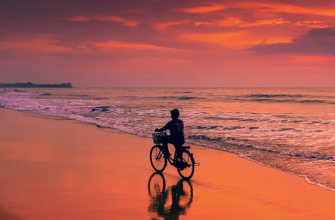
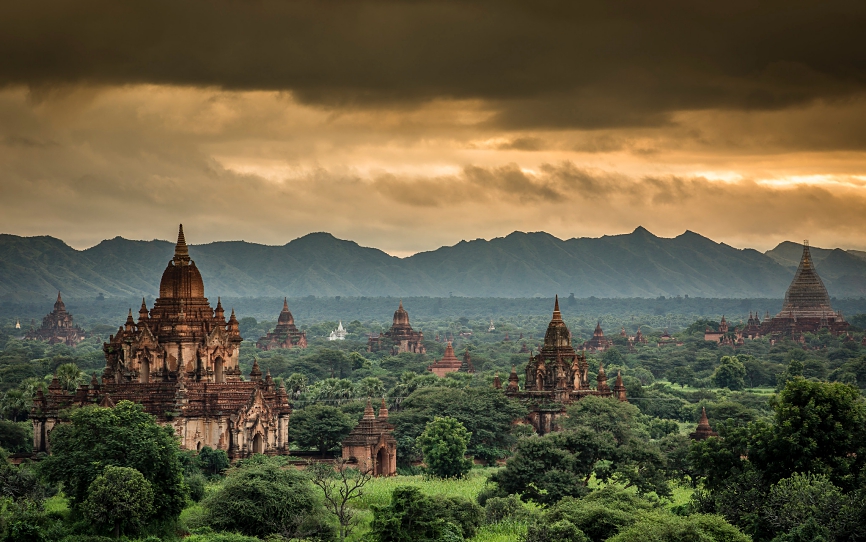
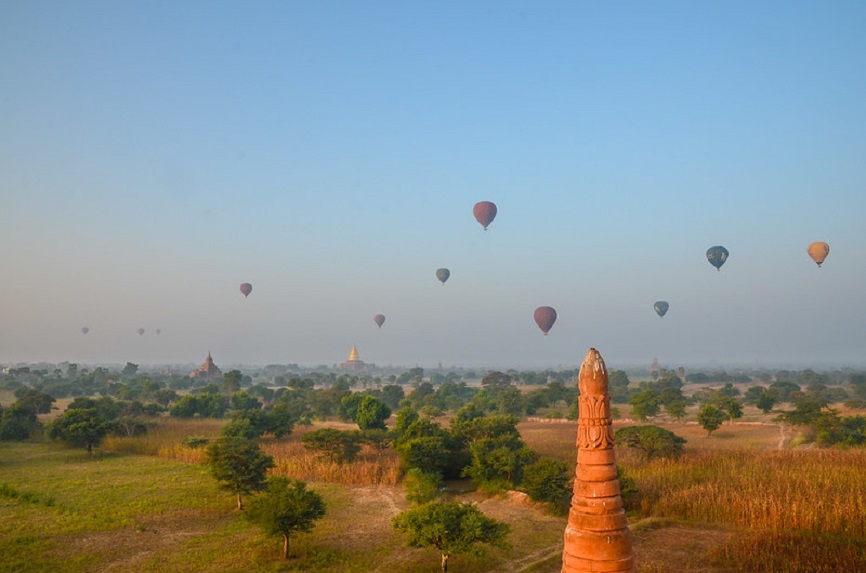
Wide range of Myanmar Tour Packages designed to showcase not only the highlights of the country but also the uniqueness of each area.
  Hotel collection for all destinations in Myanmar from big cities like Yangon to the new tourist spot like Mergui and as far as Putao
Cash and Banking in Myanmar : Traveler's Guide 2026
Why should you consider your cash and banking strategy for Myanmar in 2026?
Myanmar has a way of catching first-time visitors off guard — not with its temples or sunsets, but at the airport ATM. Unlike almost anywhere else in Southeast Asia, Myanmar runs almost entirely on cash. There are no contactless payments, no digital wallets, and no tapping your phone at a market stall. Just banknotes — crisp, clean, and ideally American. If you get your cash and banking strategy right before you land, the rest of your trip flows beautifully. Here is everything you need to know to prepare for your journey.Is it Easy to Use ATMs and Cards in Myanmar in 2026?
Short answer: don't count on them.
Before 2021, Myanmar had a functioning network of ATMs that accepted international Visa and Mastercard. Since the political upheaval, that system has been severely disrupted. Many ATMs are offline, out of cash, or simply reject foreign cards. The few that do work are often unreliable, with transaction limits as low as $50–100 USD equivalent per withdrawal.
The major local banks — KBZ Bank and CB Bank — still operate branches and some ATMs in Yangon and Mandalay, where you may have occasional success. But "occasional" is the operative word. Planning your entire trip around finding a working ATM is a recipe for stress.
Credit and debit cards are largely non-functional for tourists in 2026. A small number of upmarket hotels in Yangon accept Visa or Mastercard, but even these can be unreliable due to banking system disruptions. Digital payments essentially don't exist for foreign visitors, as local platforms (Wave Money, KBZPay) require a local phone number and bank account.
Our strong recommendation: Treat ATMs and cards as an emergency backup only. Your trip to Myanmar is cash-only, so bring all the cash you'll need before you arrive.
Myanmar Currency and The Importance of USD
The official currency of Myanmar is the Myanmar Kyat (MMK), pronounced "chat." All local transactions — street food, tuk-tuks, entrance fees, and markets — are paid in Kyat. In 2026, the exchange rate hovers around 3,200–3,500 Kyat to 1 USD, though this fluctuates and the black market rate can differ significantly from official rates.However, US Dollars are widely accepted — and in many cases, preferred — for hotels, tour services, domestic flights, and larger purchases. Think of USD as the de facto second currency of Myanmar's tourism economy.
You will want to have two currencies on hand:
- USD: For hotels, tour operators, domestic flights, and larger purchases.
- Kyat: For local markets, street food, transport, temple entrance fees, and small purchases.
The Golden Rule: Your USD Bills Must Be Perfect
This is the rule that catches travelers most off guard. Myanmar's money changers and many businesses refuse USD bills that are:- Torn, folded, or creased
- Marked with pen or ink
- Old series (pre-2009 design)
- Slightly faded or worn
Where to Exchange Money in Myanmar
Once you have your crisp USD, exchanging into Kyat is easy. Your best options include:• Official Licensed Money Changers: Found throughout Yangon, Bagan, Mandalay, and other tourist hubs. Rates are competitive and the process is quick. Look for shops with licensed signage and avoid street touts.
• Hotel Front Desks: Most mid-range and upmarket hotels offer exchange services for guests. Rates are slightly lower than money changers, but the convenience is hard to beat, especially on arrival.
• Yangon International Airport: Exchange booths are available in the arrivals hall. Rates are acceptable for your initial Kyat needs. Exchange enough for your first day or two, then seek a money changer in the city for better rates.
What to avoid: Unofficial street exchangers and any deal that sounds too good. Counterfeit Kyat and short-changing scams, while not common, do occur with unregistered changers.
Cost of Traveling and Daily Cash Benchmarks
Myanmar is genuinely affordable once you're inside the country. A sit-down meal at a local restaurant runs 3,000–8,000 Kyat, and a tuk-tuk across town costs under 5,000 Kyat.To help you budget, here are useful daily benchmarks for on-the-ground cash spending in 2026:
| Travel Style | Estimated Daily Spend |
|---|---|
| Mid-range (guesthouse, local restaurants, private transport) | $60–100 USD |
| Comfortable (3-star hotels, mix of restaurants, private guide) | $100–180 USD |
| Upscale (boutique hotels, private tours, domestic flights) | $200–350+ USD |
For a 10-day private tour through Yangon, Bagan, Mandalay, and Inle Lake with boutique accommodation and a private guide, budget roughly $2,000–3,500 USD in cash for on-the-ground spending (excluding your pre-paid tour package). A good rule of thumb is to calculate your expected spend, add a 20% buffer, and bring that in USD. Cash you don't use simply comes home with you.
Myanmar Travel Guide
Myanmar Visa On ArrivalMyanmar Travel Destinations
Myanmar 1 Week Itineraries
Visit Myanmar in 2 Weeks
Myanmar Road Trips
Insider Travel Tips

" For the first timer, Best of Myanmar would be the ideal choice. This iconic journey is now colourized with our special add on for local touches "
Zaw - Myanmar Tour Expert
Customize Your Holiday
Look no further for a life time holiday which fits your interests, budgets, etc...Go now for : Tailor Made Tour